Skip to content
Tasmanian owned and operated
Delivered and assembled Tasmania-wide
Serviced by our own technicians
Quotes available for NDIS, aged care, DVA and private
Tasmanian owned and operated

Posey Premium Gel Heel Protector

Code PC6118

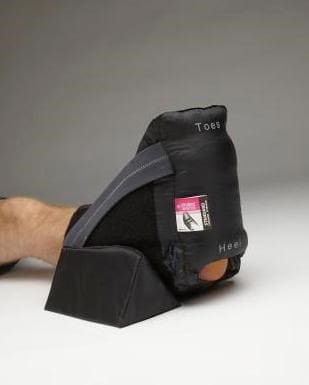
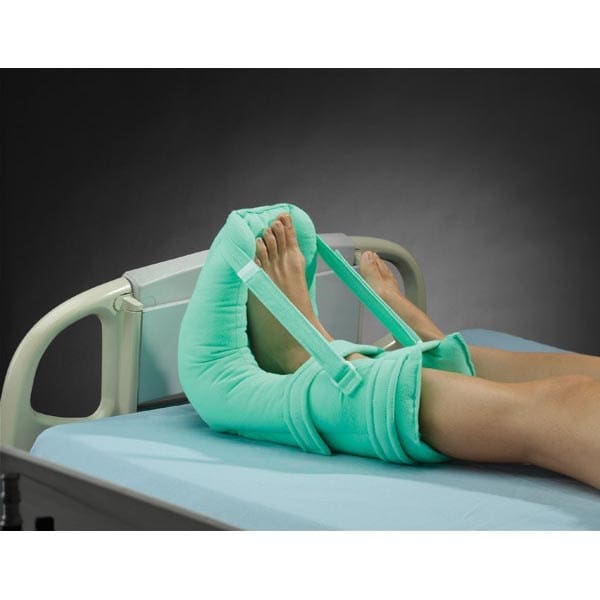
Heels carry a lot of pressure in a bed bound patient and they ulcerate quickly. The Posey Premium Gel Heel Protector suspends the heel over an open cutout so the bony point takes no load at all, with the weight carried along the calf. The cutout also lets air move around the heel, which helps…

How to get it

BuyQuotes in the format your funding needs: NDIS, aged care, DVA or private. Delivery and assembly are included.
HireEnquire about hireDelivered and set up. Ask us about weekly rates and minimum periods.
TrialBook a trialTry it at home or in our showroom, no obligation.
AskAsk a questionTalk to a consultant. Call us or send a question.

For OTs and support coordinators

Assessment support, trials at home or in the showroom, quotes with NDIS item codes and a consultant who will do the home measure.

Delivered and assembled · NDIS, aged care, DVA and private · Serviced by our own technicians

About this product

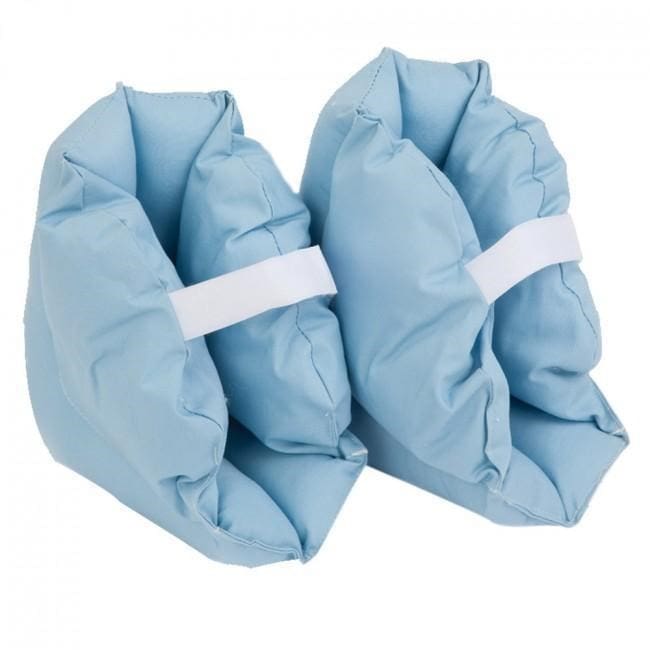
Heels carry a lot of pressure in a bed bound patient and they ulcerate quickly. The Posey Premium Gel Heel Protector suspends the heel over an open cutout so the bony point takes no load at all, with the weight carried along the calf.

The cutout also lets air move around the heel, which helps where moisture is part of the problem. The shell is a soft non shear polyester that protects the foot, ankle and calf from rubbing as the patient moves in bed, and the hollow core microfibre filling keeps its loft through repeated washing and does not flatten out.

A removable gel pad sits under the calf and can be warmed or cooled for hot and cold therapy, and it can be left out altogether if it is not wanted. Padded foot support and adjustable side straps give some control of foot drop, and the ankle and calf straps take up or let out for different leg sizes. It fits either foot.

The manufacturer recommends removing it at least every two hours to check skin integrity, circulation and range of motion, and it is not to be walked in.
Not sure what your client needs yet?

Call us. A ten-minute conversation is usually the fastest way to a good answer.

Secret Link